
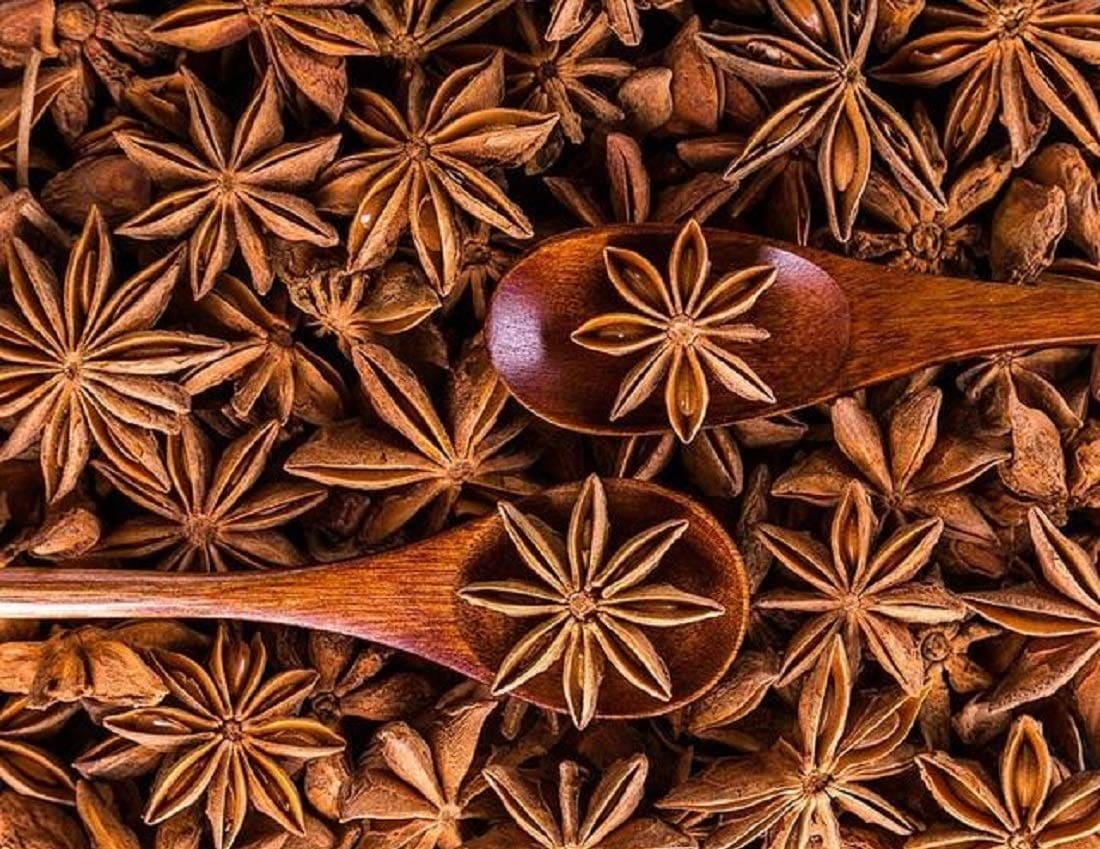
Vietnam Star Anise: Star Count, Forms and Processing Uses
How star anise is graded by star count, when whole or broken star is used, and what a buyer should specify when ordering from Vietnam.
Star anise is a visually distinctive product with a compact specification: buyers care about star count, form, cleanliness and moisture, and about little else. That makes it one of the simpler spices to specify - provided the star count is named rather than implied.
Star count
The number of points on a whole star is the main grading reference. Buyers buying for infusion or repacking state the star count they need and reject anything outside it, because a mixed star-count lot changes both the appearance of the finished product and, in some applications, the flavour balance.
Star count is therefore a hard requirement rather than a preference. State it explicitly.
Whole star or broken star
Whole star suits buyers who repack, who present the product visibly, or who need intact pieces in the finished product.
Broken star suits extraction and processing applications, where the whole shape has no functional value and broken material moves more efficiently through the process.
Both forms come from the same raw material after drying, so the form is a processing decision made to fit the application rather than a difference in quality.
Other parameters
Moisture. A ceiling is agreed at packing, for the same storage reasons as any dried spice.
Cleanliness. Stalk and off-size pieces are removed by sorting; the acceptable level depends on whether the star will be visible in the finished product.
Packing. PP/PE bags and cartons are both used, with lot marking applied so a shipment can be traced.
Processing considerations
Star anise that will be used for extraction may have different expectations around broken material than star anise for repacking. If you are buying for extraction, say so in the request: it changes which forms are practical and affects packing.
Common problems in star anise lots
Mixed star count. A lot that is mostly the required count but contains a proportion of smaller stars is a mixed lot, whatever the average suggests. This is the single most common reason a star anise shipment is rejected, and it cannot be seen in a sample: it has to be controlled during sorting.
Pieces rather than points. Broken and half stars are counted separately from whole stars. Where the buyer wants whole stars, a broken percentage has to be stated in advance, and the packing has to prevent the breakage in the first place. Star anise is brittle once dry, and over-filling a carton is a common cause.
Stalk and off-size material. Stalk is removed by sorting before packing. The acceptable level depends on the application: material destined for extraction tolerates more than material that will be presented whole in a retail pack.
What to send with a request
- the star count required;
- whole star or broken star;
- the quantity and packing format;
- the destination port or country;
- the end use, so the practical form can be confirmed.
Send it through the request a quote form. The star anise product page summarises the parameters and explains why star count and moisture are agreed in the quotation rather than listed as a fixed table.